Discover 150 researched author biographies—from the early constitutions and lodge lectures to archival scholarship, Prince Hall history, and modern interpretations of the Craft. These are historical profiles, not a ranking or an endorsement of every author's theories.
Showing all 150 authors.
Choose an author to open their single comprehensive biography. Where cataloged works exist, the profile now shows an automatically updated Library bibliography; individual book and edition pages remain authoritative for publication details. Read historical claims in their period context, and consult current Grand Lodge guidance on present-day practice.
No authors matched those filters. Try a broader search or clear the filters.
Foundations, constitutions, and lectures
These figures worked in different periods and jurisdictions. Read them in historical sequence to see how written constitutions, lodge lectures, and monitors evolved. A text's publication date should not be mistaken for the origin of every custom it describes.
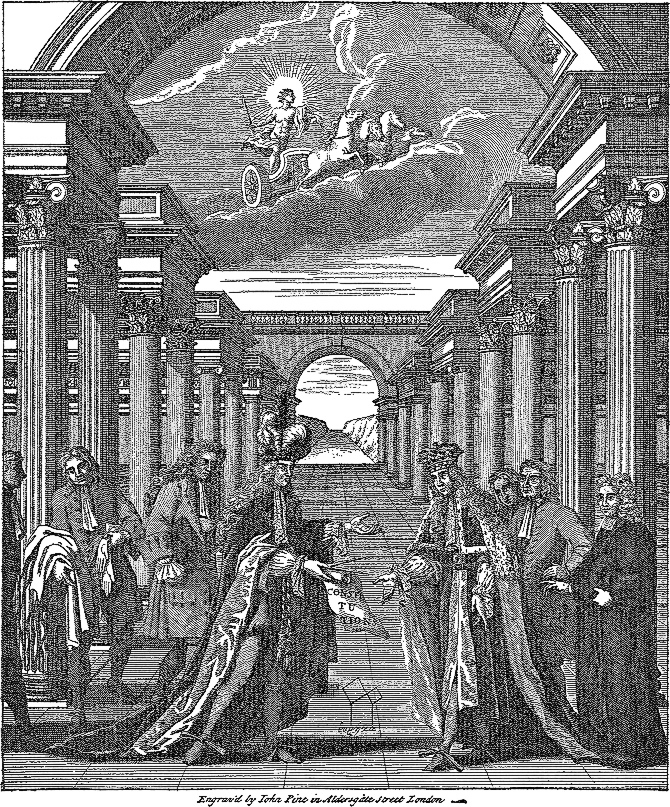
Image: 1723 frontispiece · Public domain
James Anderson — the constitutions associated with the early Grand Lodge in London.
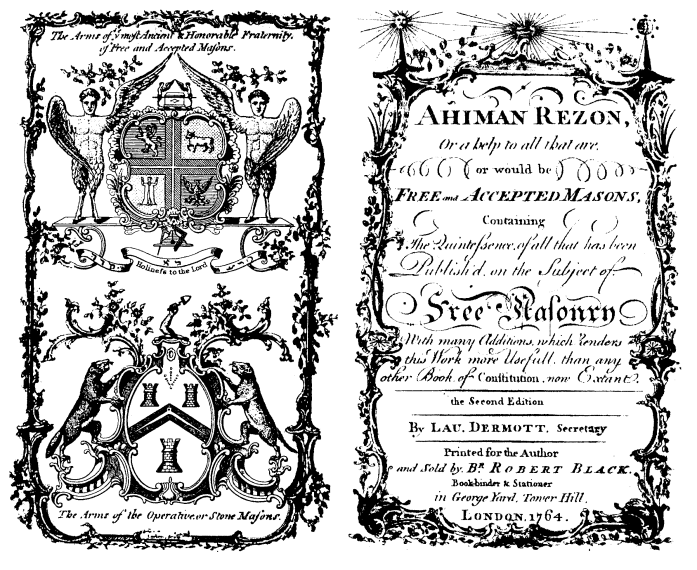
Laurence Dermott — the Antients, Ahiman Rezon, and the debates leading toward union.
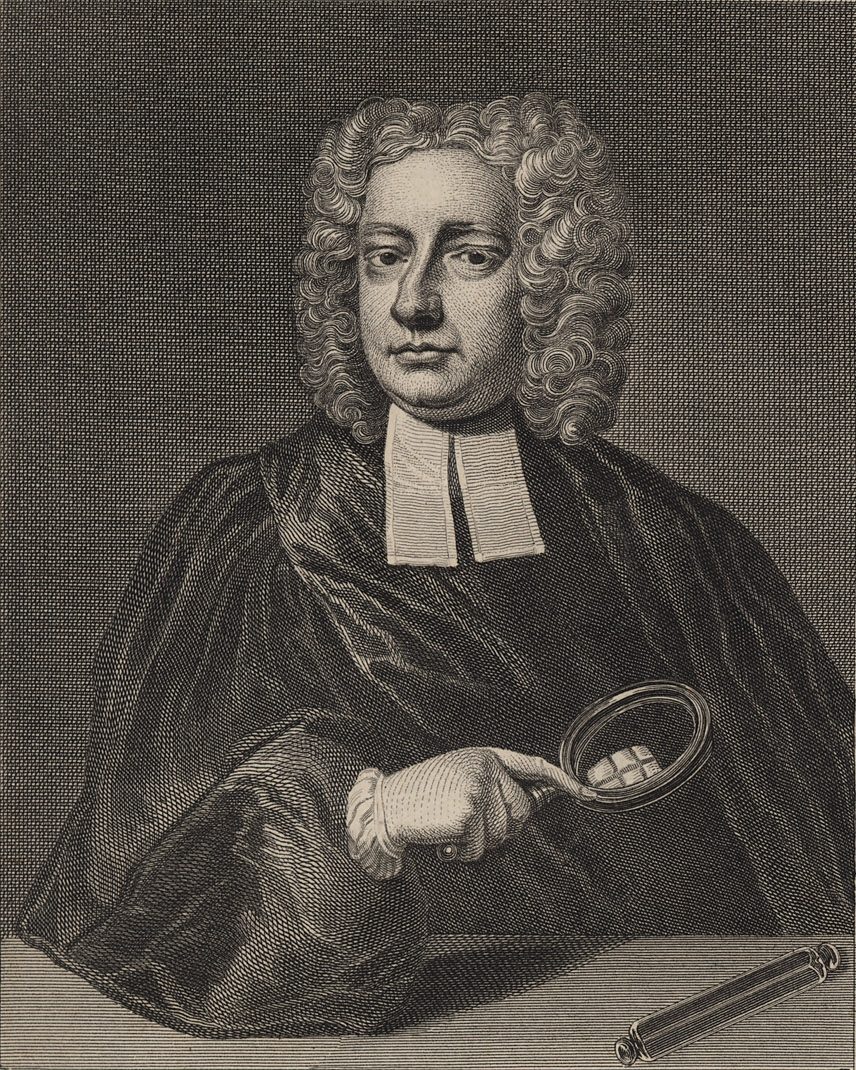
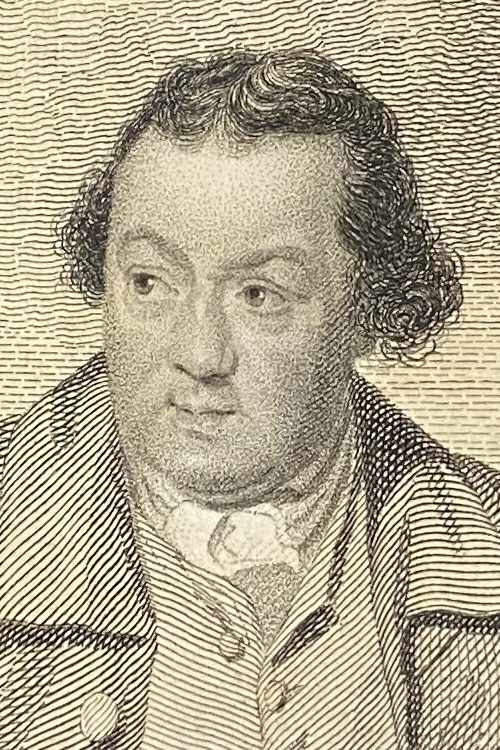
Image: Historic portrait · Public domain
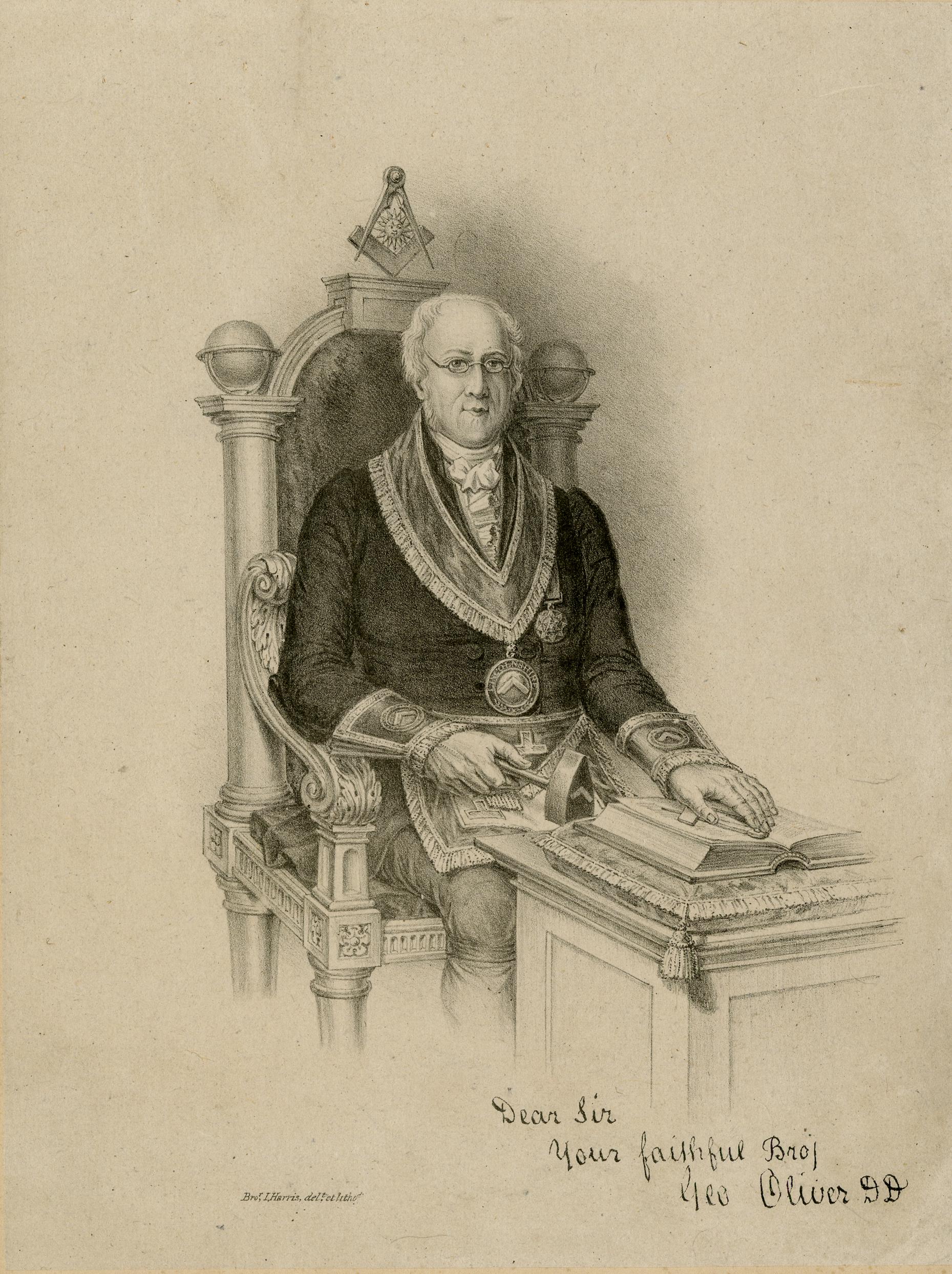
William Preston — lectures and the educational ambitions of the English Craft.
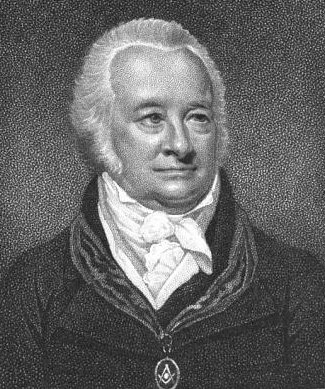
Image: Historic portrait · Public domain
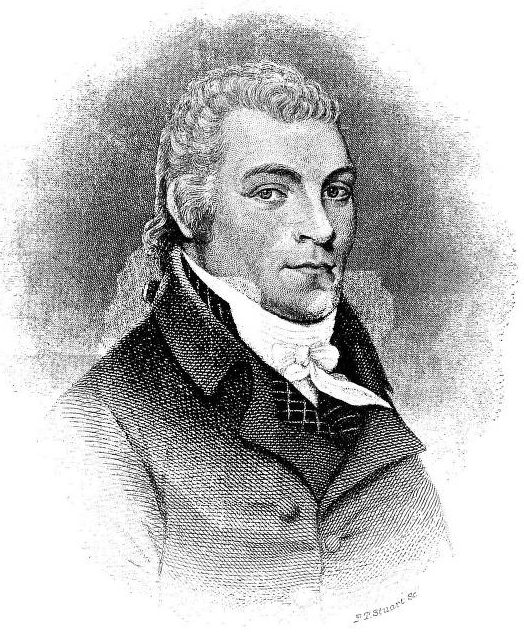
Thomas Smith Webb — American monitorial publishing and ritual standardization.
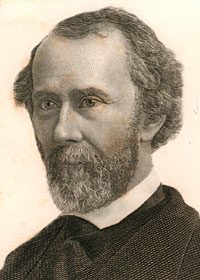
Image: 1866 engraved portrait · Public domain
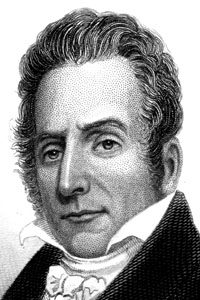
Jeremy Ladd Cross — illustrated monitors and traveling lodge education in early America.
James W. S. Mitchell — Missouri leadership and expansive nineteenth-century historical synthesis.
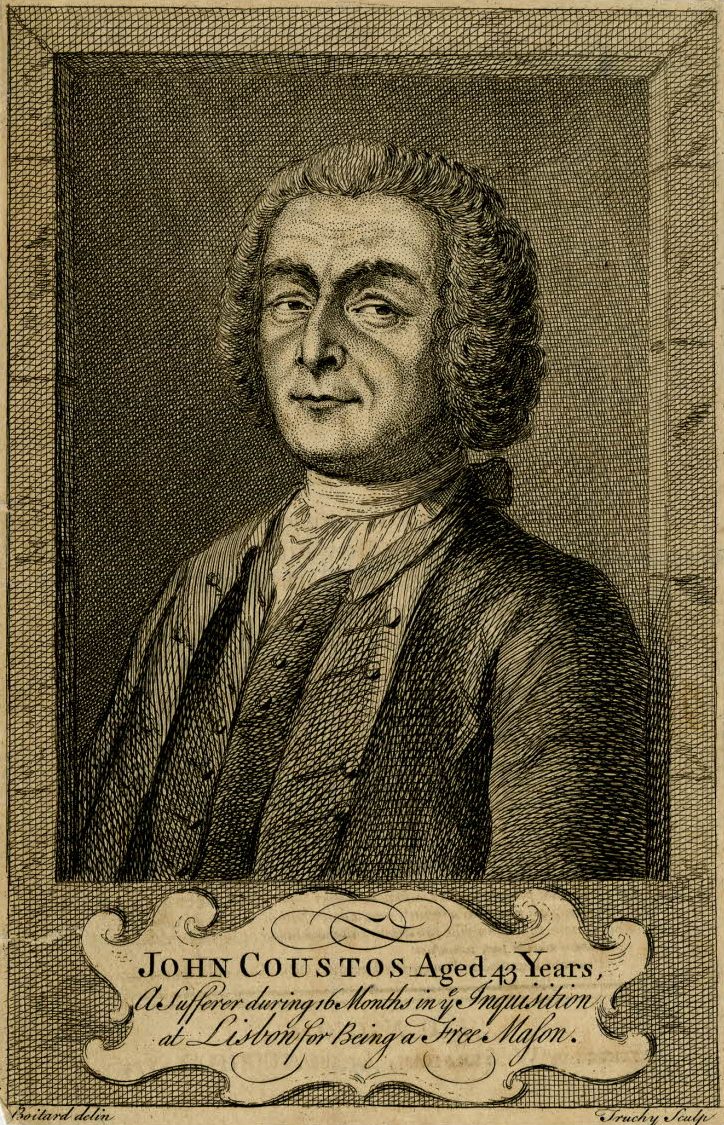
Image: 1746 engraving · Public domain
John Coustos — Eighteenth-century Mason whose 1746 account documented persecution by the Portuguese Inquisition.
Historical research, records, and reference
These authors are especially useful for distinguishing original documents from the narratives later built around them. Manuscripts, warrants, minute books, and bibliographic records answer different historical questions from allegory. An attractive tradition may deserve explanation without being presented as a proven institutional lineage.
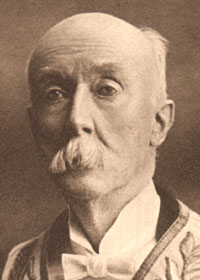
Image: 1913 historical portrait
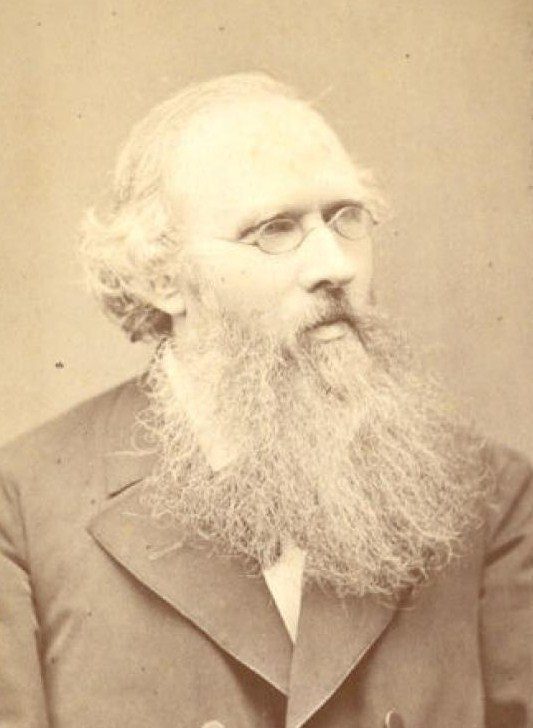
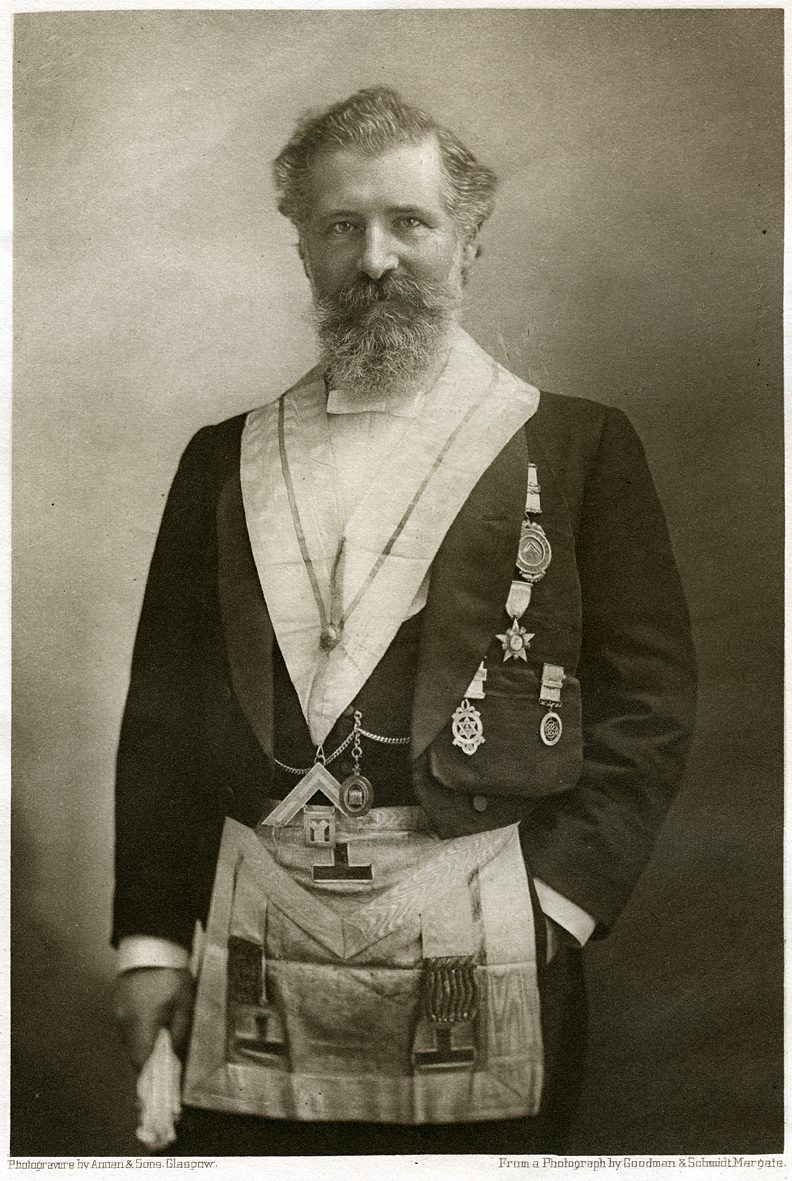
Robert Freke Gould — broad documentary history and the early research movement.
Image: American Freemasons Library cover
William James Hughan — the Old Charges, early lodge records, and bibliographic methods.
Josiah Hayden Drummond — Maine Masonic law, precedents, and Scottish Rite reconciliation.
William H. Upton — documentary advocate for Prince Hall recognition and a landmark 1898 decision.
Ray Vaughn Denslow — Missouri research, York Rite history, and postwar international Masonic relations.
Henry Wilson Coil — evidence-minded encyclopedist and namesake of California's major Masonic library.
Harold Van Buren Voorhis — Masonic bibliographer and researcher of Prince Hall history and allied orders.
Jacob Hugo Tatsch — A transatlantic bibliographer whose library work and concise histories made Masonic records easier to find and study.
Robert Ingham Clegg — An engineer-editor who revised Mackey's reference books and linked American Masonry with international research circles.
Wallace Edmond McLeod — A Canadian classicist and Grand Historian who brought critical, engaging scholarship to international Masonic audiences.
British archives and reference scholarship
Henry Sadler — An English grand lodge librarian who recovered primary records and reshaped the history of the Antients.
Edward Lovell Hawkins — An Oxfordshire author of a concise Masonic cyclopaedia who helped establish a research notes journal.
Bernard Edward Jones — Author of the wide-ranging Freemasons' Guide and Compendium and a Quatuor Coronati research-lodge Master.
Prince Hall historiography and documentary correction
Read Grimshaw as an influential early source, then use the later studies of Wesley and Walkes to distinguish documented Prince Hall history from claims that subsequent researchers have challenged.
William Henry Grimshaw — A Prince Hall Past Grand Master whose influential 1903 history requires careful scrutiny for invented early-life claims.
Charles Harris Wesley — A historian and university president whose Prince Hall biographies challenged inherited myths with documentary research.
Joseph A. Walkes Jr. — Founder of the Phylaxis Society and author of Black Square & Compass, a major Prince Hall historical survey.
Further research, records, and international scholarship
Arthur Lionel Vibert — Quatuor Coronati Master, secretary, and editor of Miscellanea Latomorum.
S. Brent Morris — American Masonic historian, editor, and first U.S. Master of Quatuor Coronati.
Mark A. Tabbert — Museum historian of American fraternal life and George Washington's Masonic record.
John Hamill — English Masonic historian, museum curator, and author of The Craft.
Ric Berman — Historical researcher of the Antients, early Grand Lodges, and colonial Masonry.
Robert L. D. Cooper — Scottish museum archivist who challenges legends about Rosslyn and the Craft.
Alton G. Roundtree — Prince Hall historian, archival critic, and editor of The Phylaxis.
William Ray Denslow — Compiler of 10,000 Famous Freemasons and Missouri Grand Master.
David Harrison — English historian of Masonic origins, reform, and provincial traditions.
Aubrey N. Newman — University historian and 2003 Prestonian Lecturer on English provinces.
Paul M. Bessel — Researcher of Prince Hall recognition and author of Masonic Questions & Answers.
John Lane — Compiler of Masonic Records and pioneer of English lodge documentation.
William L. Boyden — Scottish Rite librarian who devised an influential system for classifying Masonic books.
Charles Thompson McClenachan — Compiler of a major nineteenth-century Scottish Rite monitor and New York history.
Pierre Mollier — French archival historian of rites, Masonic art and the Grand Orient de France.
Roger Dachez — French historian of Masonic origins, rites and the move from legend to evidence.
Michael A. Halleran — Kansas Grand Master and historian of Freemasonry during the American Civil War.
John J. Robinson — Author of Born in Blood and A Pilgrim's Path; joined Masonry after his first book.
Stephen Dafoe — Canadian historian of the Knights Templar and William Morgan affair.
Trevor W. McKeown — Canadian Grand Historian, archival editor, and 2024–25 Master of Quatuor Coronati; a guide to evidence-led Masonic research.
Jean-Marie Ragon — Nineteenth-century French Masonic writer and founder of Les Trinosophes, known for philosophical lectures and ritual compendia.
Piers A. Vaughan — New York Masonic author and translator bringing French ritual, Saint-Martin and eighteenth-century texts to English-language readers.
Delmar D. Darrah — Illinois Grand Master and longtime Masonic editor whose books examined the Craft’s evolution.
Oscar Alleyne — New York researcher whose archival studies reassess African Lodge and Prince Hall chronology.
Arturo de Hoyos — Scottish Rite Grand Archivist whose critical editions preserve and explain Masonic rituals.
Yasha Beresiner — Quatuor Coronati Past Master and author of guides to London and Royal Arch history.
Douglas Knoop — Economist and Quatuor Coronati Master whose source editions reshaped early Masonic history.
Trevor Stewart — Quatuor Coronati Past Master and 2004 Prestonian Lecturer on the origins of English speculative Masonry.
Christopher Powell — Research-lodge Past Master whose papers explore Masonic history, music, and evidence.
Shawn Eyer — Philalethes editor and researcher of early Masonic texts, symbolism, and educational practice.
John Belton — Historian of the 1813 English union and researcher of membership change and fraternity culture.
Richard Gan — Quatuor Coronati Master and author on Victorian Masonry and orders beyond the Craft.
David J. Peck — Quatuor Coronati Past Master researching wartime risks, Malta, and eighteenth-century Masons.
Andreas C. Rizopoulos — Greek Masonic historian and writer on the 1821 independence movement and Ionian lodges.
John Acaster — Manchester research-lodge historian whose work examined early industrial Masonic membership.
James W. P. Campbell — Cambridge architectural historian and 2011 Prestonian Lecturer on Sir Christopher Wren.
John Stephen Wade — 2009 Prestonian Lecturer on Masonic processions and editor of Ars Quatuor Coronatorum.
Peter Hamilton Currie — Editor and indexer of AQC who wrote on Masonic ritual, Royal Arch history, and two Masonic arks.
James W. Daniel — Former UGLE Grand Secretary and 2017 Prestonian Lecturer who studied imperial Masonic networks.
Gordon W. S. Davie — 2005 Prestonian Lecturer on Women and Freemasonry and historian of the English lodge.
Roger Burt — Economic historian of Victorian mining, migration, and the worldwide networks of Masonic lodges.
Michael A. Kearsley — 2014 Prestonian Lecturer on the first year of the United Grand Lodge of England.
Paul Richard Calderwood — Historian of twentieth-century newspaper coverage and the changing public image of Freemasonry.
John L. Cooper III — California Past Grand Master and writer on Masonic education, history, and symbolism.
Robert A. Gilbert — Historian of Arthur Edward Waite, esoteric movements, and Freemasonry in popular fiction.
Colin F. W. Dyer — Historian of Quatuor Coronati and author of Symbolism in Craft Freemasonry.
Ellic P. Howe — Archival researcher of fringe Masonry, Theodor Reuss, and the Golden Dawn.
Frederick L. Pick — Coauthor of The Pocket History of Freemasonry and a researcher of Manchester lodge history.
George S. Draffen — Scottish Grand Librarian, editor of Scottish Masonic Records, and Quatuor Coronati Past Master.
G. Norman Knight — Barrister and coauthor with Fred L. Pick of The Pocket History of Freemasonry.
James Edward Shum Tuckett — Early Quatuor Coronati researcher of the Old Charges and eighteenth-century documents.
William John Songhurst — Research-lodge secretary and scholar of early lodge lists and Masonic print culture.
John Heron Lepper — Irish Masonic historian and coauthor with Philip Crossle of the 1925 Grand Lodge history.
Herbert Poole — Researcher of the Old Charges and reviser of Gould’s History of Freemasonry.
Edmund Hunt Dring — Bibliographer of English Masonic printing before 1751 and historian of tracing boards.
Frederick William Levander — Historian of eighteenth-century societies and changing Books of Constitutions.
William Brown Hextall — Historian of the Lodge of Promulgation, early satire, and English Craft records.
Gordon Pettigrew Graham Hills — Researcher of William Preston, eighteenth-century Masonic personalities, and lodge records.
William James Williams — Author of The King’s Master Masons and studies of medieval builders.
William Ivor Grantham — Historian of Lewes lodges, independent lodges, and lodge instruction.
Norman Berridge Spencer — New Zealand Masonic researcher and patron of a major fraternal book collection.
Robert James Meekren — Canadian researcher of early Scottish minutes and the structure of the lodge.
Arthur Reginald Hewitt — UGLE librarian who researched the first century of Grand Lodge and its collections.
Wilfred George Fisher — Researcher of early eighteenth-century Masonic personalities and the Dukes of Atholl.
Michel L. Brodsky — Belgian scholar of Masonic regularity and international fraternal relations.
Symbolism, education, and interpretation
These writers ask how ritual, emblems, poetry, and moral instruction can shape a person's life. Their voices differ sharply, from public lectures to deeply esoteric speculation. Personal interpretations are important historical evidence about what authors believed, not automatically binding doctrine for the Craft.
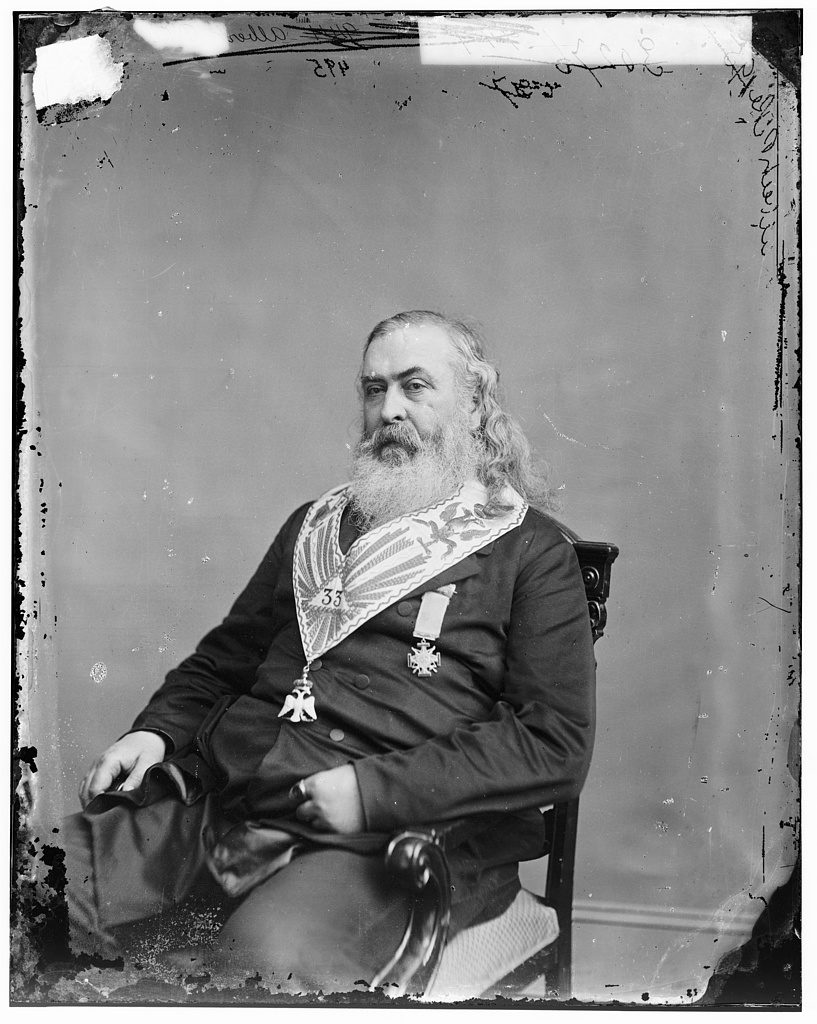
Image: Brady-Handy portrait · Library of Congress
Albert Pike — influential Scottish Rite philosophy and comparative symbolism.
Terence Osborne Haunch — Prestonian Lecturer on changing Masonic ritual, tracing boards, and lodge constitutions.
From an author's life to the books themselves
The biography, Library author archive, and individual book record are complementary views of the same research trail. Here's an example using Albert G. Mackey.
Examine a particular editionOpen The Principles of Masonic Law to check its date, edition details, reading options, and editorial cautions.
An author archive counts catalog records, which may include revised printings, later editions, compilations, or collaborations. That number should not be read as a count of distinct original books written by the person. We are progressively connecting these views across the collection.
How American Freemasons presents historical editions
Each author page identifies available membership evidence and links to sources. A Library record distinguishes the original historical work from any modern introduction, bibliography, reading notes, or editorial commentary. Some works are available as scans or historical records while new Library Editions are still being prepared. A book is linked here only when its catalog record is already published; this guide does not imply that an unfinished edition is on sale or ready for print.
Use an author's own words to understand the intellectual world in which they wrote. Use lodge and Grand Lodge records, archival catalogs, scholarly research, and dated publications to test factual claims. For practical lodge rules and recognition questions, consult the governing jurisdiction's current official guidance rather than treating a centuries-old author as present-day authority.
Are all the authors' books official Masonic teachings?
No. The collection includes constitutions, monitors, historical studies, lectures, poetry, and personal interpretations. Official jurisdictional authority and private authorship are different things.
Are all the linked works free to read?
The links lead to published Library records, where the available reading or source access is described for each item. A published catalog record does not necessarily mean a new physical edition is ready for purchase.
Why are disputed writers such as John Yarker included?
Historical study benefits from examining influential but contested sources. Their profiles distinguish documented membership and publishing activity from disputed institutional recognition and theories about ancient origins.